A White Morning in Zwelihle
It all begins with an idea.
The Hands that feed - A photographic walk
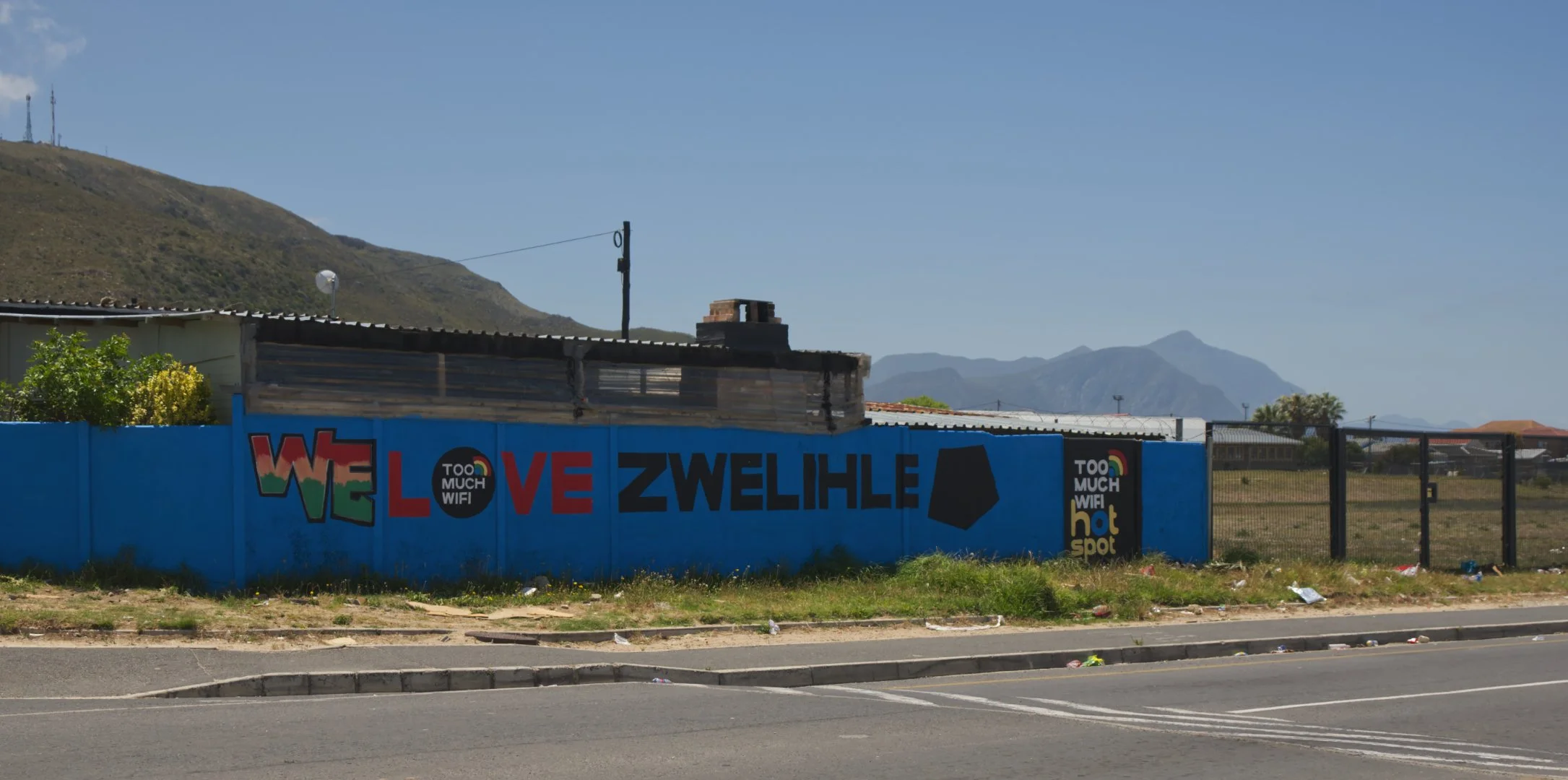
The Landscape of Resilience
December mornings in Hermanus can begin softly, wrapped in mist. On this particular morning, the white fog felt like an invitation—one that led me into Zwelihle, an African suburb rich in history, resilience, and quiet creativity.
I’m Grace Remondo, a Cape Town–based photographer, and this walk was not about spectacle. It was about hands—the hands that build, cook, repair, sew, and care.
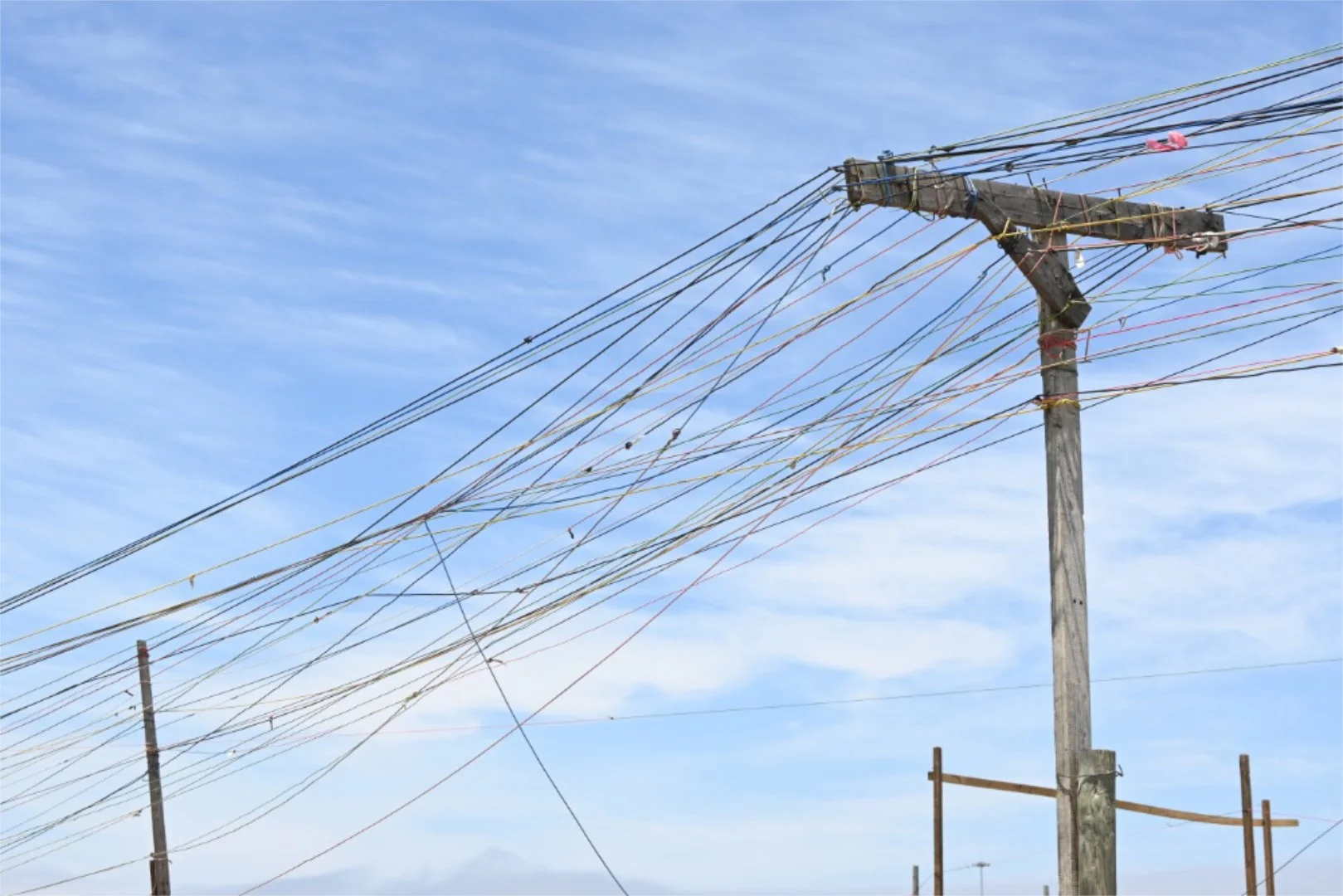
The Web of Life
Zwelihle: A Web of Life
Zwelihle—“Beautiful Place” in isiXhosa—is often defined by what it lacks. But what my lens encountered was connection.
From History to an Emerging African Suburb
“We don’t say township anymore,” my guide told me.
“We say African Suburb.”
The Hands That Feed
This walk became an inventory of hands.
Hands restoring sneakers.
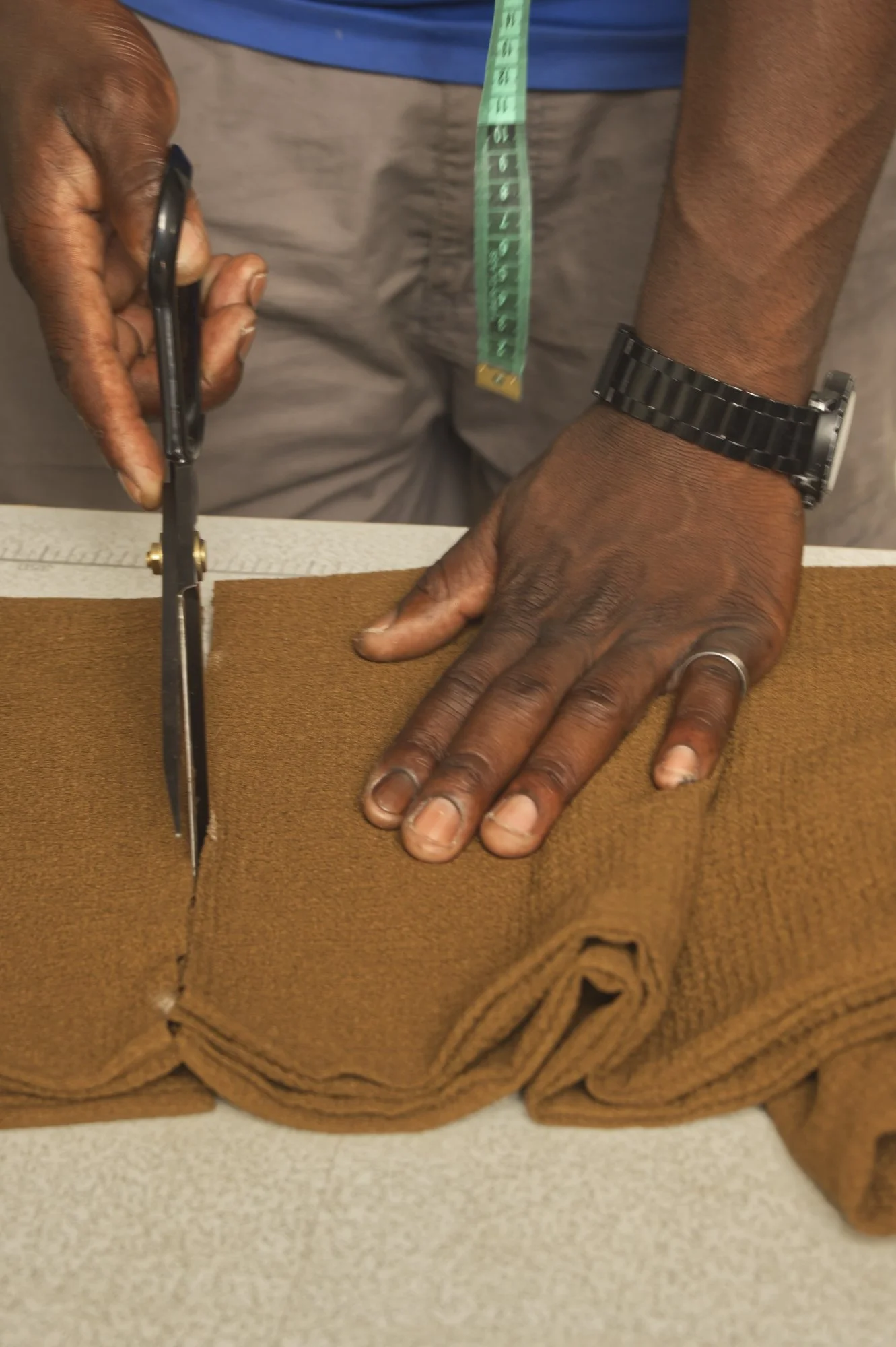
The Artisan at Work
Hands sewing clothes and car seats inside corrugated iron workspaces.
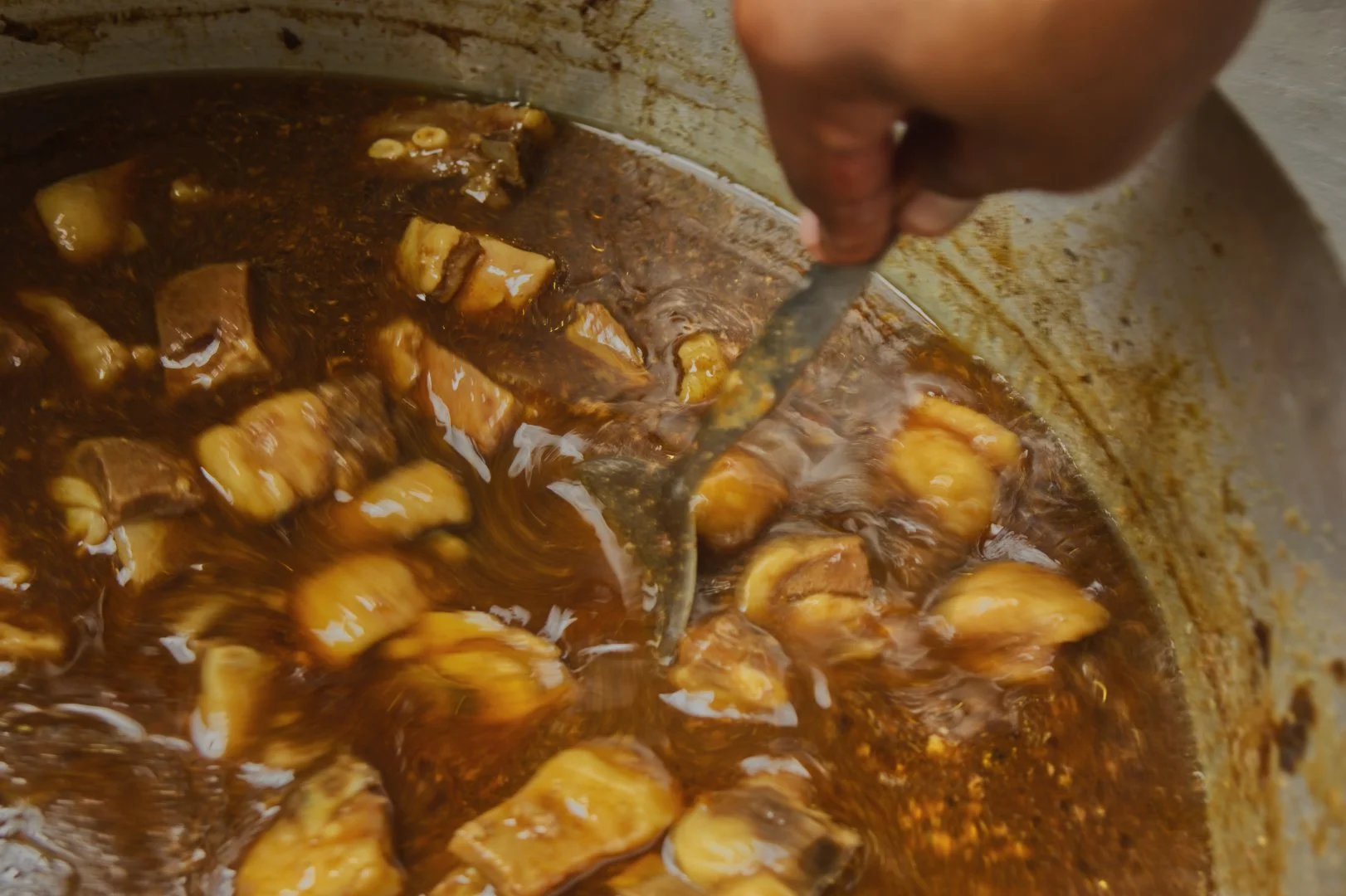
Heritage in Motion / The Heart of the Kitchen
Hands stirring umngqusho at Lelethu’s Kitchen, lifting a lid heavy with steam and heritage.
These are hands that feed more than the stomach.
They feed continuity.
They feed dignity.
Food as a Language of Care
From warm amagwinya wrapped in thin plastic to shisanyama cooked over open wood fires, food in Zwelihle is slow, social, and generous.
At one moment, a pair of hands extended freshly made vetkoek toward me.
No words were needed.
Provision was the message.
Why This Walk Matters
Zwelihle is not temporary.
Its structures are homes.
Its colours are memory.
Here, feeding also means educating, healing, and nurturing futures. At places like Little Stars Educare and Izibusiso Foster Home, care is practiced daily, quietly, and collectively.
Looking Ahead — December 2026
This walk through Zwelihle is not a one-time encounter. I plan to return in December 2026 during the school holidays to facilitate a photographic workshop with young people.
The workshop will use photography as a tool for storytelling, care, and dialogue, with a particular focus on gender-based violence (GBV)—creating a safe space for expression, reflection, and repair.
This approach is deeply connected to my ongoing practice and to my self-published photobook, The Rebuilt Horizon: an inventory of absence and light. In this work, I use a process of destroying and repairing photographic prints, inspired by the Japanese art of Kintsugi, in which cracks are not hidden but honoured.
The workshop will extend this philosophy: acknowledging rupture, creating space for healing, and transforming damage into meaning.
To make this possible, I will be seeking partnerships and sponsorships to support travel, accommodation, and photographic equipment.
If you are a cultural institution, school, NGO, or organization interested in education, arts, or GBV prevention, I welcome the opportunity to connect.
This project reminded me why I photograph—to witness everyday resilience and honour the creativity woven into ordinary life.
Thank you for walking with me through Zwelihle.
— Grace Remondo
Photographer | Cape Town
Through Obstacles: On Being Seen and Owning Space
It all begins with an idea.
Sometimes a photograph begins with a simple attraction — a gesture, a texture, a face in the crowd — and slowly reveals a deeper story about presence, visibility, and the quiet act of occupying space.
I was testing a Sony Alpha 7R with a FE 2/ 50–150 GM lens during a brand event when I noticed him.
At first, it was simply the hairstyle — its shape, its volume, the way colored light sculpted it. I took a photograph. It was blurred. While adjusting my settings, people moved between us. Shoulders blocked my view. I did not move away. I photographed through them.
What began as a technical compromise slowly revealed itself as something more intentional.
He stood calmly in the middle of a crowded space — present but partially obstructed by others. The bodies in front of him created a visual barrier, yet he remained steady, grounded, sharply in focus.
Before he knew he was being photographed, there was a quiet moment.
Eyes closed, standing still in the middle of noise.
The series begins there — in a space that is both private and public.
When I later approached him and showed him the images, he said:
“These are the most beautiful portraits of me.”
A while after, he allowed me to photograph him again. This time he smiled — openly, fully — claiming both the image and the space.
Technical Approach as Conceptual Language
This series draws from a strategy often associated with Saul Leiter: photographing through obstructions rather than removing them.
Using a 50–150mm lens on the Sony Alpha 7R, I compressed the spatial relationships within the frame. The shallow depth of field transformed shoulders into soft, abstract forms in the foreground. What could have been considered interference became structure.
Foreground obstruction, mid-ground clarity, and layered background create a visual metaphor for social space.
The shoulders function as:
Obstacles
Social pressure
Conditions of visibility
Yet the subject remains sharp — visually asserting presence despite partial concealment.
This approach also echoes a tradition in documentary and portrait photography where the environment is not removed from the frame but allowed to shape the narrative. Photographers such as Gordon Parks often incorporated architectural frames, bodies, or objects into their compositions, allowing the surrounding space to express the social conditions in which their subjects lived.
In this series, the shoulders perform a similar role. They are not simply visual accidents. They become part of the image’s structure, suggesting the crowded dynamics of shared space and the subtle negotiations required to remain visible within it.
Identity, Belonging, and Ownership of Space
This work explores how identity occupies space within systems that are rarely neutral. Visibility is not evenly distributed. Some bodies move freely; others are frequently interrupted, blocked, or overlooked.
By refusing to remove the obstruction, I allow it to exist as part of the environment — but not as the dominant force. The subject does not fight the barrier. He exists through it.
The final portrait, where he smiles directly into the lens, shifts the dynamic from observation to collaboration. The image becomes shared. The space becomes claimed.
Photography, in this moment, was not just about capturing a face.
It became about recognition — of self, of presence, of worth.
And perhaps, quietly, it was also about overcoming my own doubt.
What began as a moment of curiosity during a gear test gradually unfolded into something more meaningful. A brief encounter in a crowded room became a reflection on visibility, dignity, and the fragile distance between being unnoticed and being truly seen.
In that exchange — when the subject recognized himself in the photographs and smiled — the image moved beyond observation. It became a shared moment of acknowledgment. In the end, the series is not only about obstacles or framing, but about the quiet power of presence, and the way photography can momentarily open a space where someone feels fully visible.
Blog Post Title Three
It all begins with an idea.
It all begins with an idea. Maybe you want to launch a business. Maybe you want to turn a hobby into something more. Or maybe you have a creative project to share with the world. Whatever it is, the way you tell your story online can make all the difference.
Don’t worry about sounding professional. Sound like you. There are over 1.5 billion websites out there, but your story is what’s going to separate this one from the rest. If you read the words back and don’t hear your own voice in your head, that’s a good sign you still have more work to do.
Be clear, be confident and don’t overthink it. The beauty of your story is that it’s going to continue to evolve and your site can evolve with it. Your goal should be to make it feel right for right now. Later will take care of itself. It always does.
Blog Post Title Four
It all begins with an idea.
It all begins with an idea. Maybe you want to launch a business. Maybe you want to turn a hobby into something more. Or maybe you have a creative project to share with the world. Whatever it is, the way you tell your story online can make all the difference.
Don’t worry about sounding professional. Sound like you. There are over 1.5 billion websites out there, but your story is what’s going to separate this one from the rest. If you read the words back and don’t hear your own voice in your head, that’s a good sign you still have more work to do.
Be clear, be confident and don’t overthink it. The beauty of your story is that it’s going to continue to evolve and your site can evolve with it. Your goal should be to make it feel right for right now. Later will take care of itself. It always does.